
 Menu
Menu


Community kitchens: a guide to strengthening local development
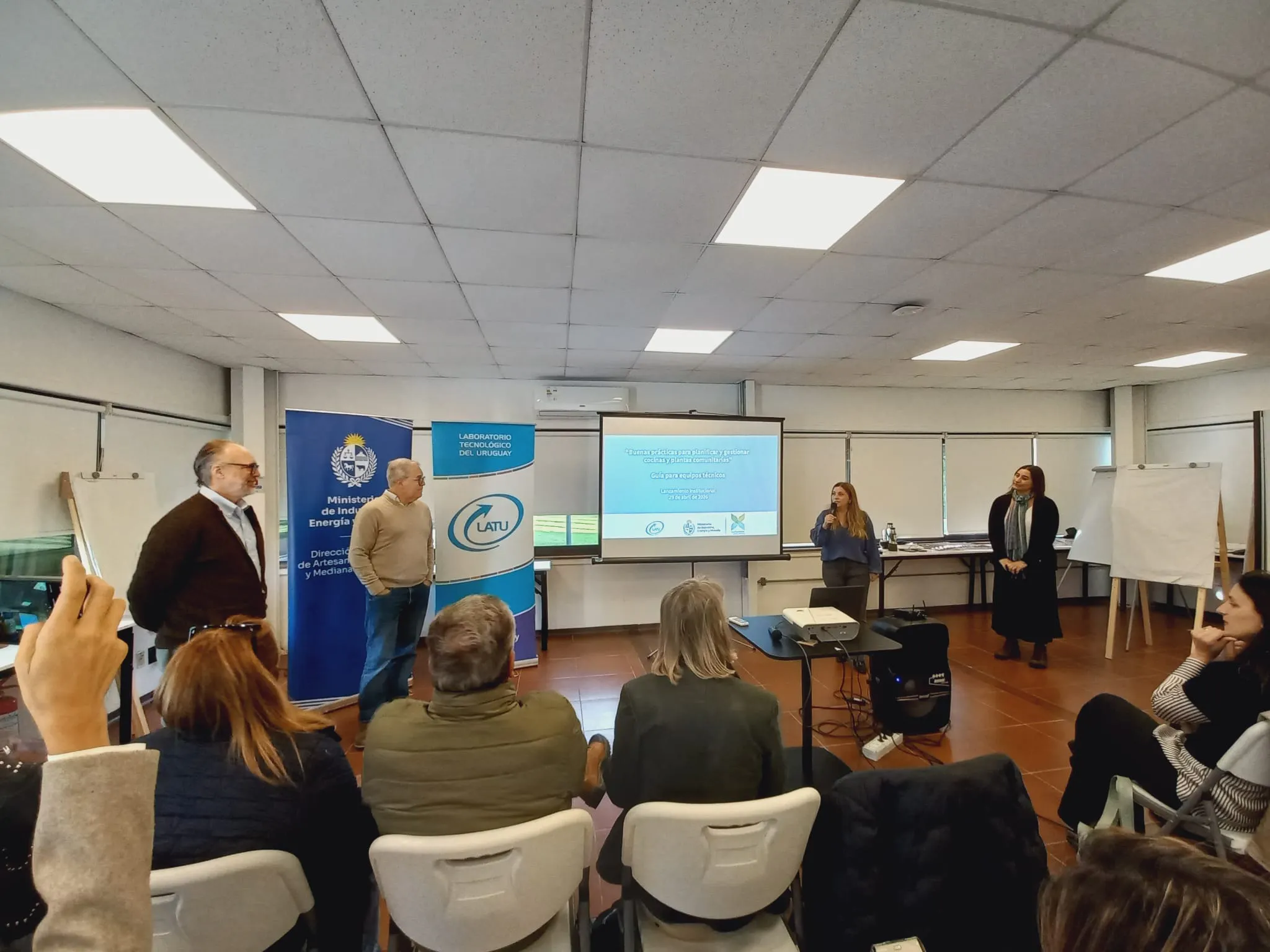
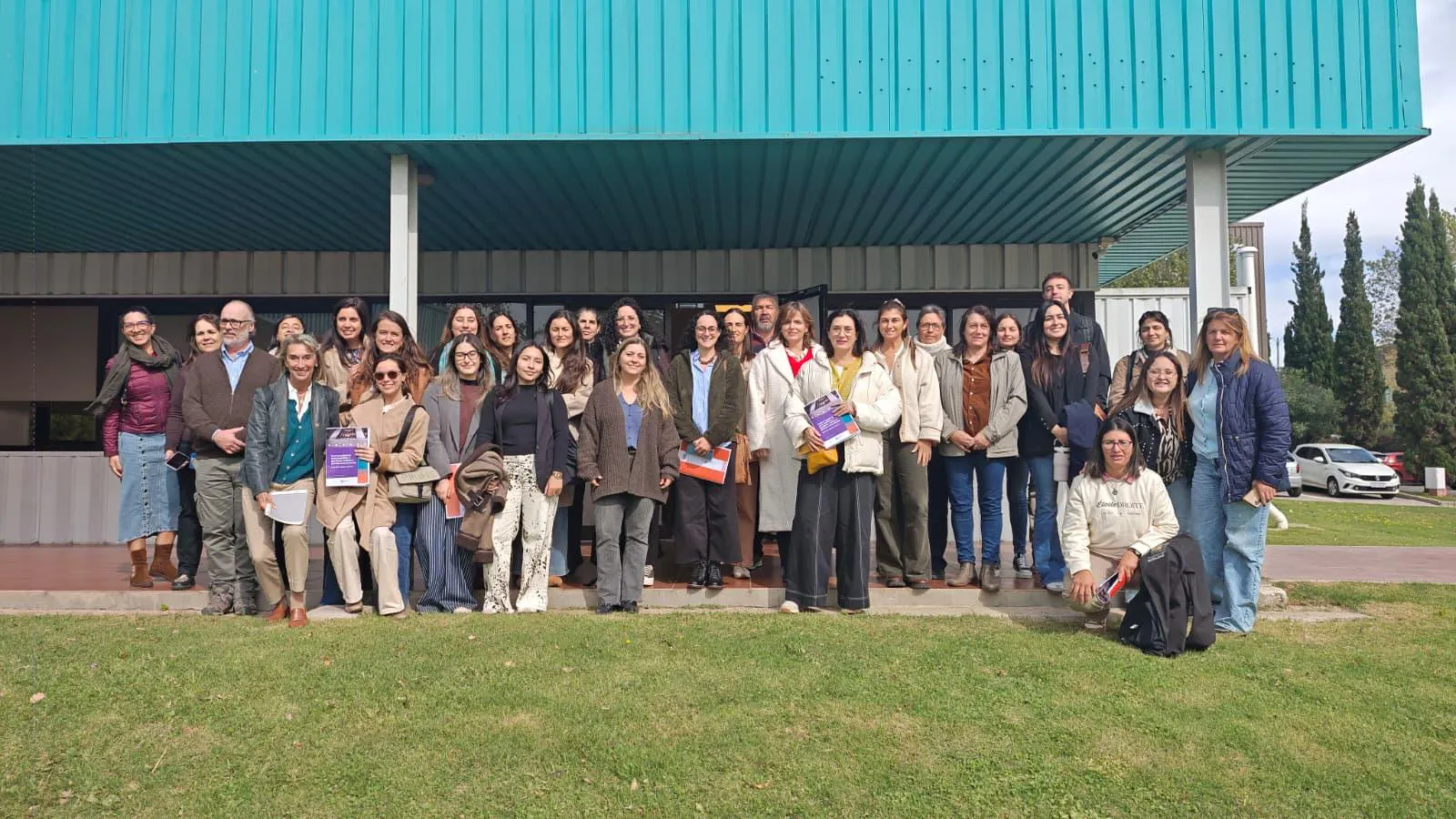
On April 29, LATU and the Ministry of Industry, Energy and Mining (MIEM) presented the guide “Good Practices for Planning and Managing Community Kitchens and Food Processing Plants” at the LATU Innovation Park and held the 2nd National Meeting of Technical Teams Managing These Spaces.
The event was attended by representatives from the Congress of Intendants, departmental governments, municipalities, entrepreneur networks, and universities. It brought together 54 representatives from 12 departments across the country to share lessons learned and move forward collectively in building a national network of Collective Food Production Centers (CCEA).
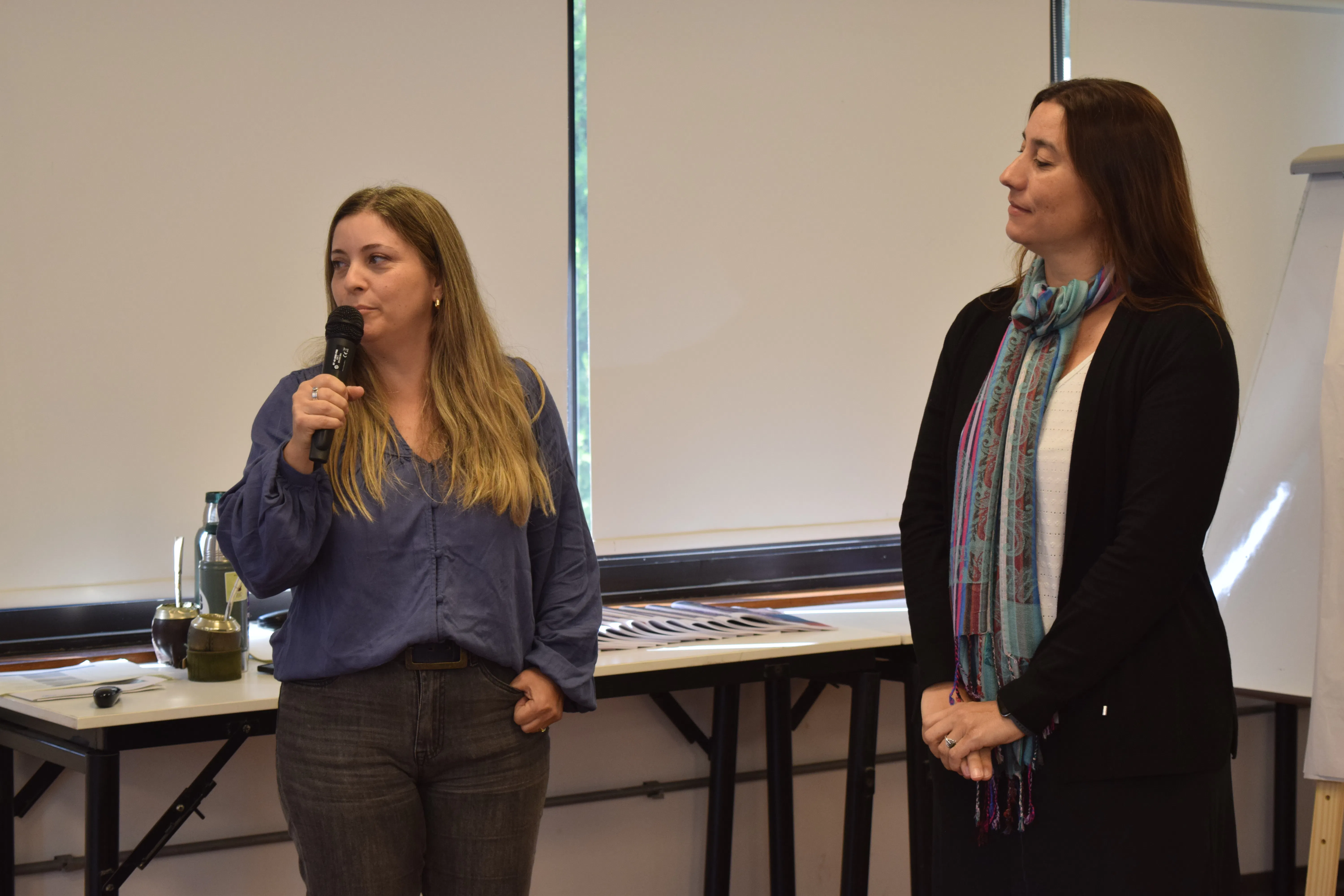
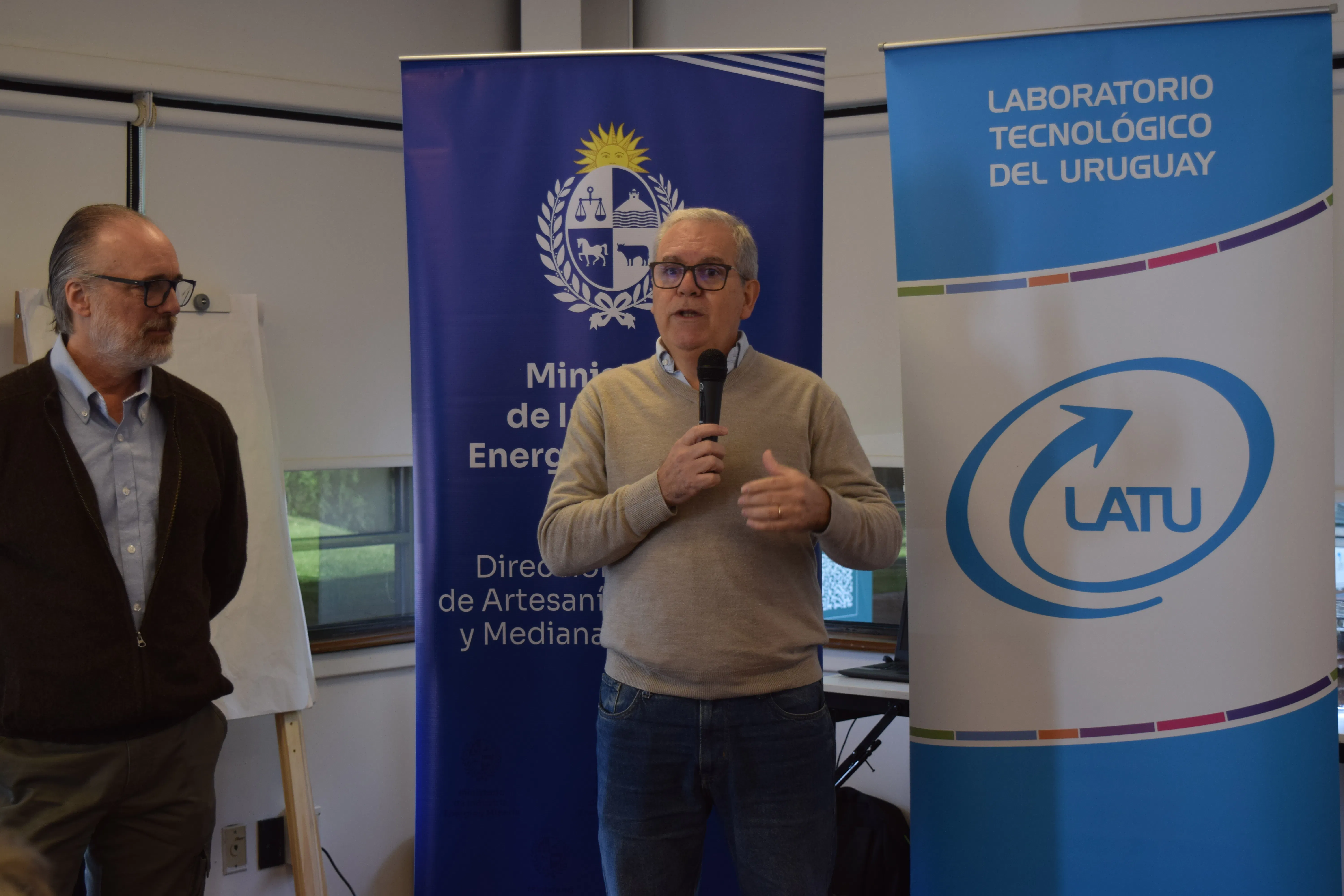
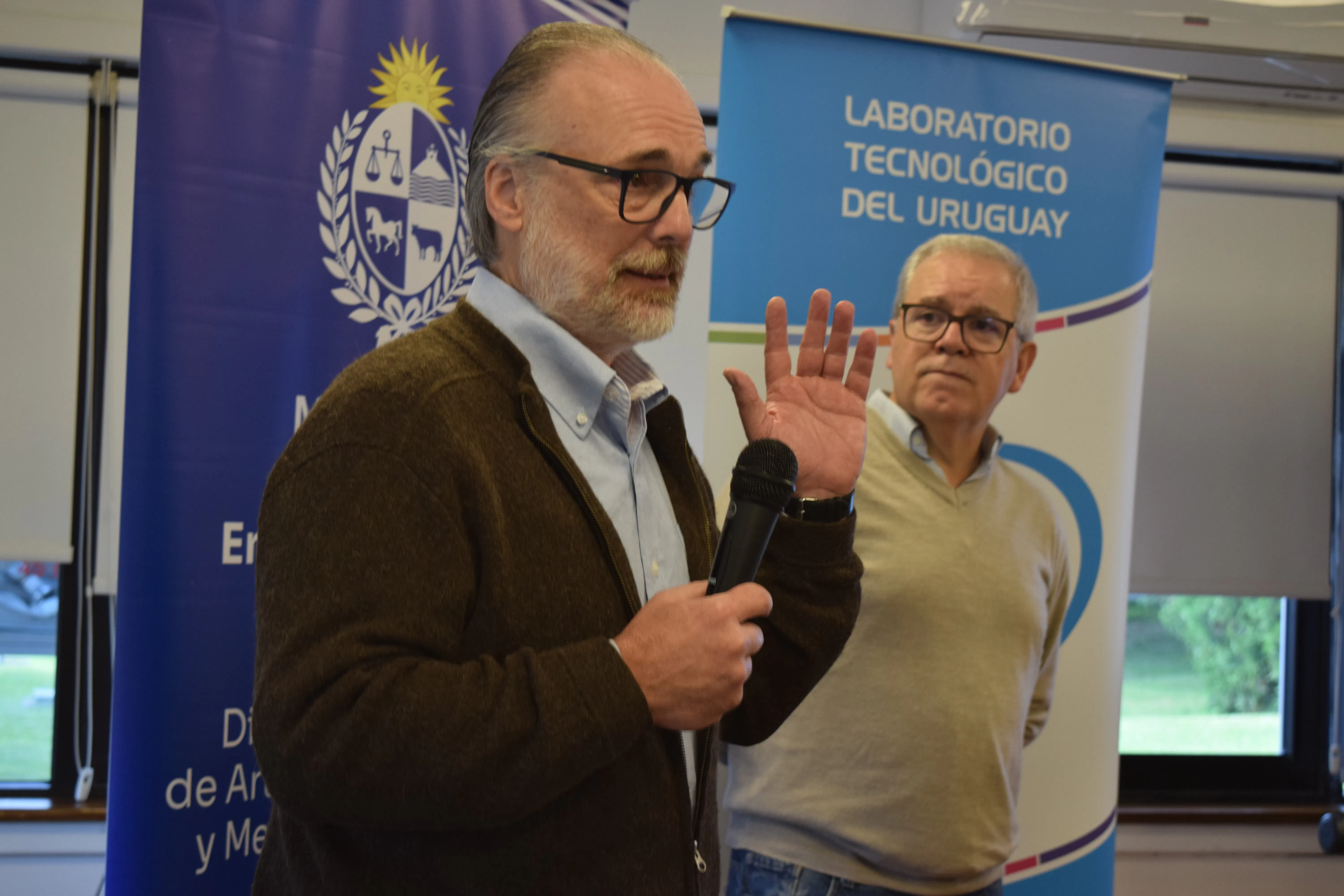
The opening remarks were delivered by Engineer Juan Carlos Gilles, from the Territorial Development Area of the National Directorate of Handicrafts, Small and Medium-Sized Enterprises (Dinapyme – MIEM), and Engineer Daniel Pippolo, head of LATU’s Local Development Department. Ximena Cidrás, Director of Dinapyme, also spoke during the event, highlighting the importance of these spaces for the country’s productive development.
The day marked a milestone in strengthening Uruguay’s community kitchens and community food production plants.
The project and its scope
The project went through several stages before reaching this point:
- the first national survey of CCEAs (July–November 2024);
- the First National Meeting of Management Teams (December 2024);
- and the publication of the survey report and the preparation of the guide (February 2025–March 2026).
The good practices guide
The publication systematizes a set of management good practices organized around the main stages in the life cycle of a CCEA: planning and design, call and selection process, operation and management, and the graduation process of ventures. The practices are prioritized at three levels—essential, priority, and desirable—and include examples of applications in existing CCEAs across the country.
The guide also includes guidance on legal requirements, recommendations for key documents, and a list of support organizations. It is intended for the technical and institutional teams responsible for managing CCEAs, local governments, and actors in the food system.
The full document can be consulted in the Publications section of the LATU website.
The 2nd National Meeting
The second part of the day brought together CCEA management teams and representatives of local governments to update some of the data from the 2024 survey and move forward on a future national CCEA network.
The network is conceived as a space for collaboration and collective learning, without interfering in the autonomous operation of each kitchen, aimed at sharing experiences, solving common problems, and strengthening the impact and sustainability of these spaces. During the meeting, a proposed phased roadmap for its creation was presented, and a co-design exercise on its governance structure was carried out.
Impact on local productive development
CCEAs are key infrastructure for local productive development: they provide safe conditions and technical support so that small-scale food ventures can develop, grow, and consolidate as sustainable businesses capable of generating employment and energizing the economies of their territories.
The project represents concrete progress along that path: it strengthened the capacities of the technical teams managing these spaces, promoted the exchange of experiences, and helped lay the foundations for a national network with a shared language, common challenges, and common goals, aimed at consolidating CCEAs as drivers of local development, especially in the interior of the country.